Technology
How Facial Recognition Works, and Why It Gets People Wrong
A face-matching system never decides who you are — it reports how similar two faces look, and a threshold does the rest. That gap is where wrongful arrests come from.

A face-matching system never decides who you are — it reports how similar two faces look, and a threshold does the rest. That gap is where wrongful arrests come from.
No government agency declares a recession. A committee of eight economists at the NBER does — and not by the two-quarters-of-GDP rule most people cite.
Your rewards are a share of a fee the shop paid. Debit interchange is capped by regulation, credit is not, and the difference is invisible at the terminal.
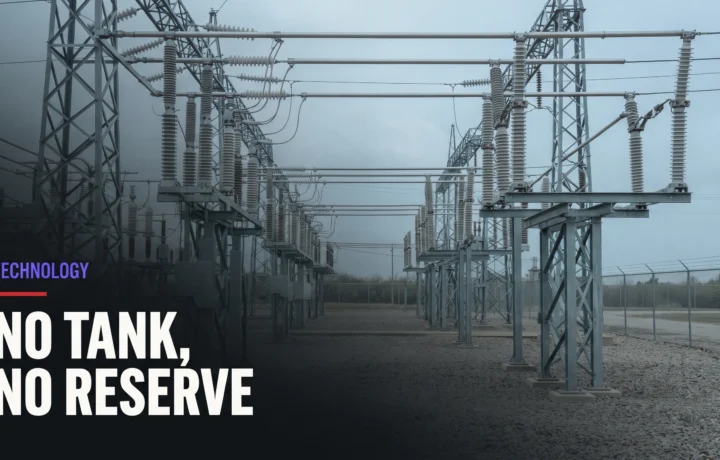
The picture of a grid running out of electricity is wrong. There is no tank, frequency is the live readout of the balance, and a cascade is the protection working.
The limit everyone quotes has a third clause almost nobody reads, and the fund behind it comes from the banks rather than the federal budget.
Your phone sends nothing to the satellites. What the fourth satellite is actually for, why orbital clocks run 38 microseconds fast a day, and where tracking really comes from.
A quarter of the most-watched economic statistic in the world is an estimate of rent that homeowners never pay. How the index is built, and why it lags what households feel.
Roughly 200 submarine cable faults happen every year, and almost none of them make the news. What actually breaks, who fixes it, and why the repair fleet is the part worth worrying about.
Three to six months of expenses is the standard advice. Here is how to work out the number that actually fits your income, your job and your obligations.
Lithium-ion cells lose capacity through chemistry, not misuse. Here is what genuinely slows the process, and which pieces of popular advice you can ignore.